
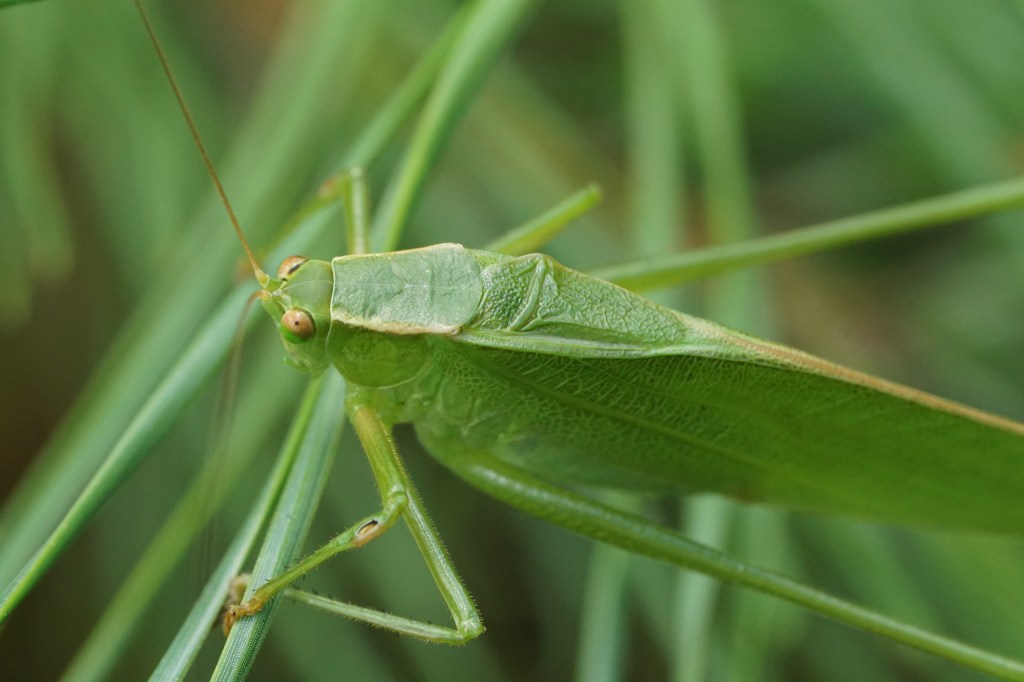
Featured image: Scudderia cuvicuada
Provided by Matthew Pelikan, MV Atlas of Life
The first-ever “bioblitz” of Correllus State Forest, which took place July 21-22, 2023, was a wild success by any measure. Part science and part recreation, a bioblitz is an intensive biodiversity survey of a particular site. Most, like this one, run for 24 hours. And bioblitzes often use the community science platform iNaturalist to compile sightings and assist with identification of photographed plants and animals.
The Correllus event, with 11 participants, generated an incredible 941 observations in iNaturalist, representing 392 species. While the species count reflects just a fraction of the total number species to be found in Correllus. But it’s an impressive tally for 24 hours of fieldwork, especially given that only species documented by a photograph or a sound recording were included.
The event began at 5:00 p.m. on July 21. Margaret Curtin and Greg Palermo kicked off the event surveying plants along the eastern edge of the forest. Later than evening, a team of observers from BiodiversityWorks set up a moth sheet – a suspended sheet illuminated by black lights to attract nocturnal insects – which the team monitored until about 10:00 p.m.
Early on the 22nd, participants met at the Correllus headquarters area and divided up into small teams to survey as much of the forest as possible. One team, focused on birds, worked the area around the Riverhead disk golf course. Other teams concentrated mostly on the fire lanes crisscrossing Correllus, where high plant diversity and a mix of habitats promised productive observing. The weather, which featured intermittent clouds, high temperatures, and oppressive humidity, posed challenges. But some participants worked until the end of the event window, at 5:00 p.m.
In submitting observations to iNaturalist, naturalists upload photographs or sound recordings of organisms they’ve encountered, along with the time, date, and location. The platform uses artificial intelligence to suggest possible identifications of photographs; other human users can view observations once they’re posted and offer, correct, or confirm IDs that come from the original observer.
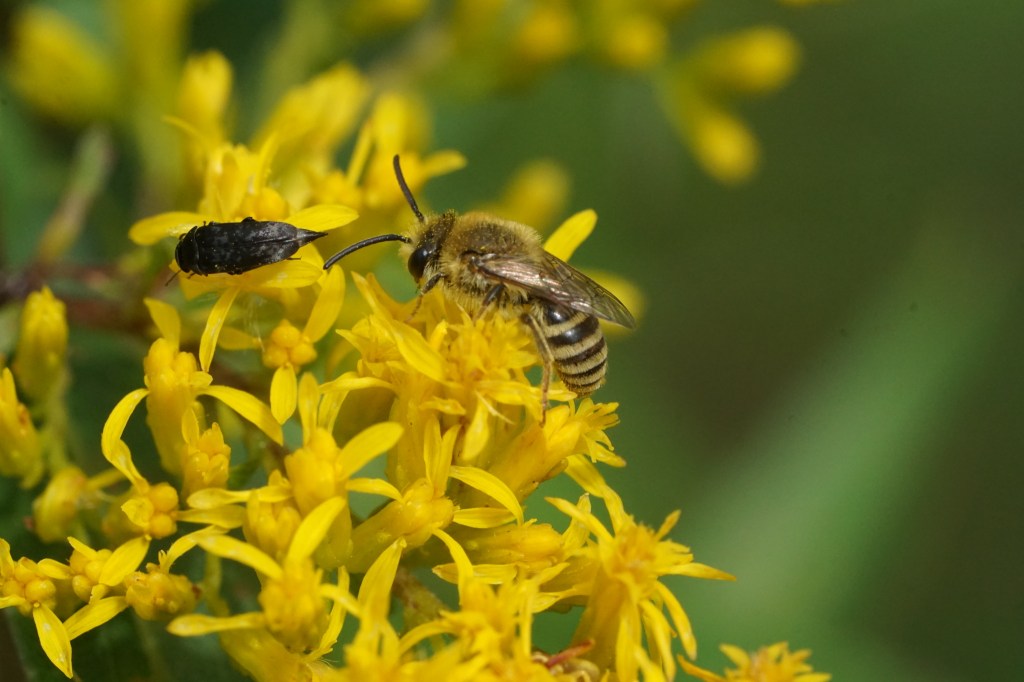
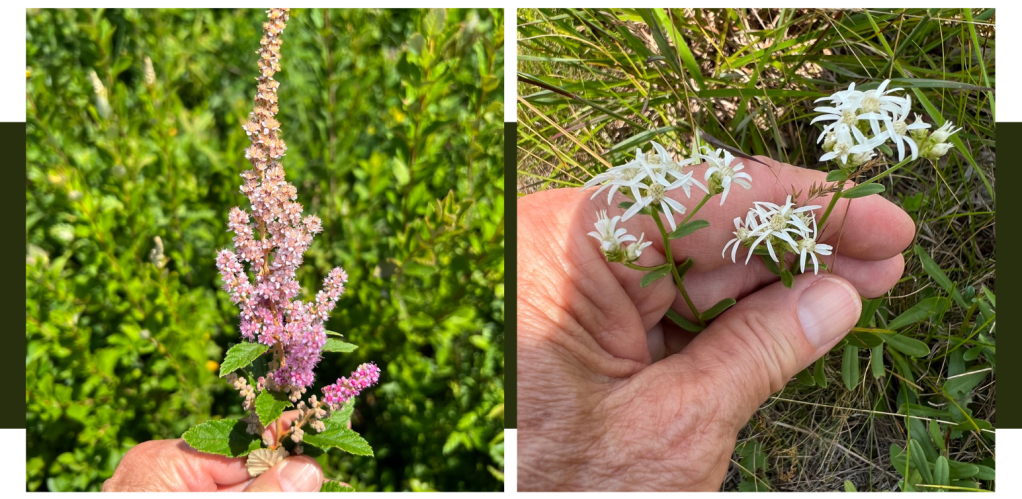
While the species tally for the Correllus bioblitz didn’t include any truly rare species, it was full of organisms that are adapted to the forest’s dry conditions and sandy soils. Almost 200 plant species were recorded, including sandplain specialists like sickle-leaved golden aster and several bush clovers in the genus Lespedeza. Insects typical of Correllus included Edwards’ hairstreak, a butterfly that associates closely with the scrub oak that dominates parts of the forest, and the goldenrod cellophane bee, which nests in sandy soils and visits goldenrods almost exclusively for its food.
Results from the bioblitz can be viewed in iNaturalist at this address:
https://www.inaturalist.org/projects/correllus-state-forest-bioblitz-2023
While no such event could ever find everything there is to find on this remarkable property, the bioblitz provided a compelling snapshot of what was present at the time of the event. The event was a fun and rewarding time for participants, and the results did full justice to the biodiversity of Correllus, which ranks high among the most important conservation properties in Massachusetts.
 Friends of M.F. Correllus State Forest